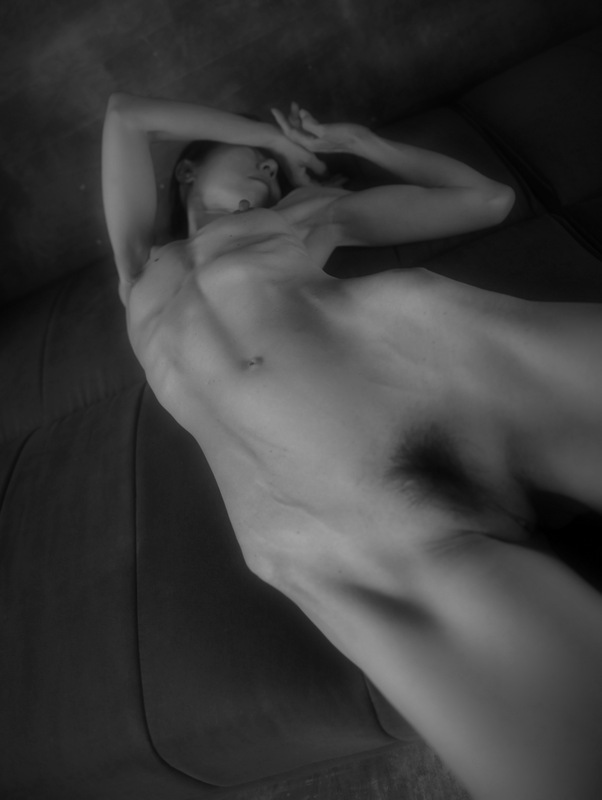
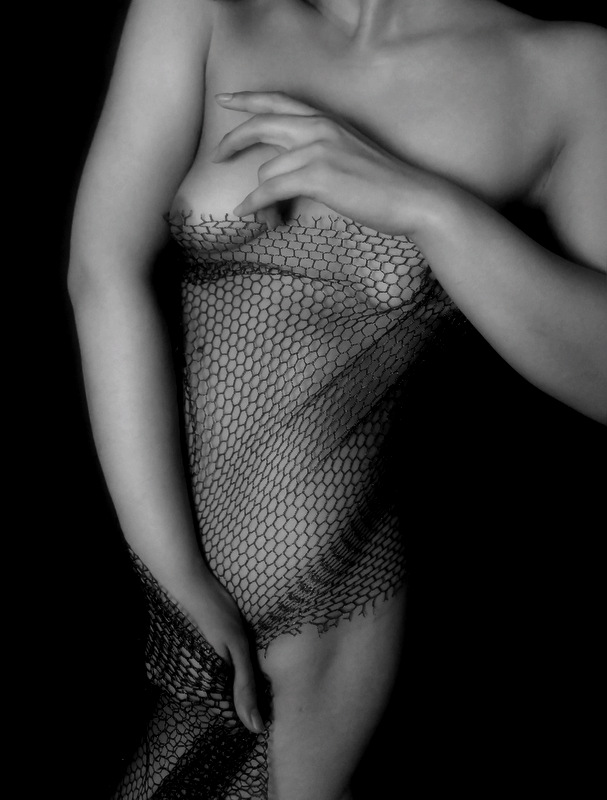
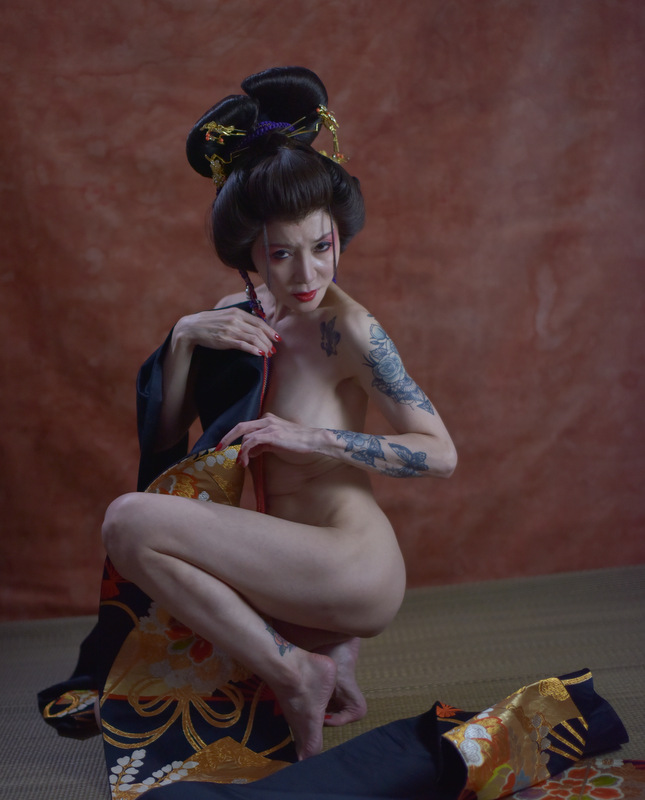
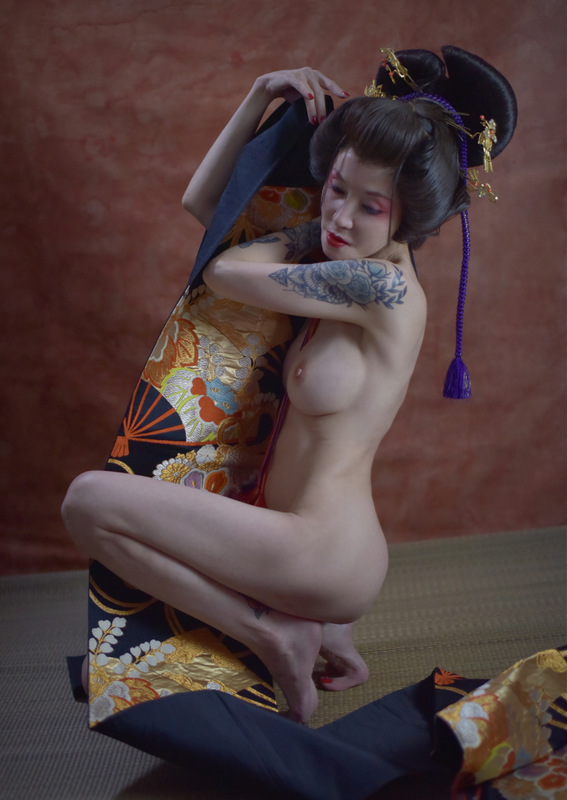
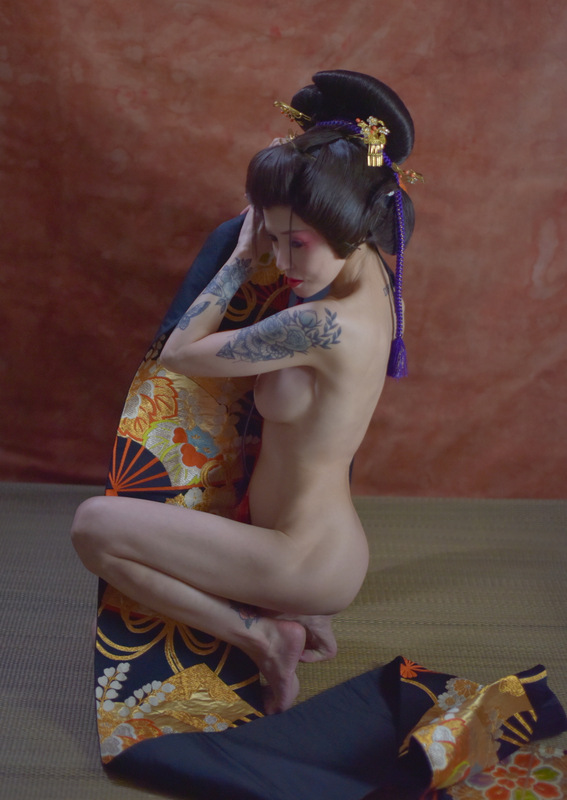
What should a photographer keep in mind when standing in front of a nude model?
The first thing is to remember that the person in front of the camera is not simply a body. She is a human being with her own history, personality, emotions, dignity, and way of seeing the world. The fact that she is nude does not change this fundamental truth.
A photographer must therefore learn to look without becoming careless. The camera can easily turn a person into an object, especially when the photographer becomes too focused on physical beauty. But the purpose of artistic photography is not simply to expose the body. It is to discover something within the body that expresses the individual.
Respect should come before photography.
The photographer should communicate clearly, listen carefully, and never assume that silence means agreement. A model should feel that she can say no, change her mind, or express discomfort at any moment. Trust cannot be demanded; it must be built through behavior.
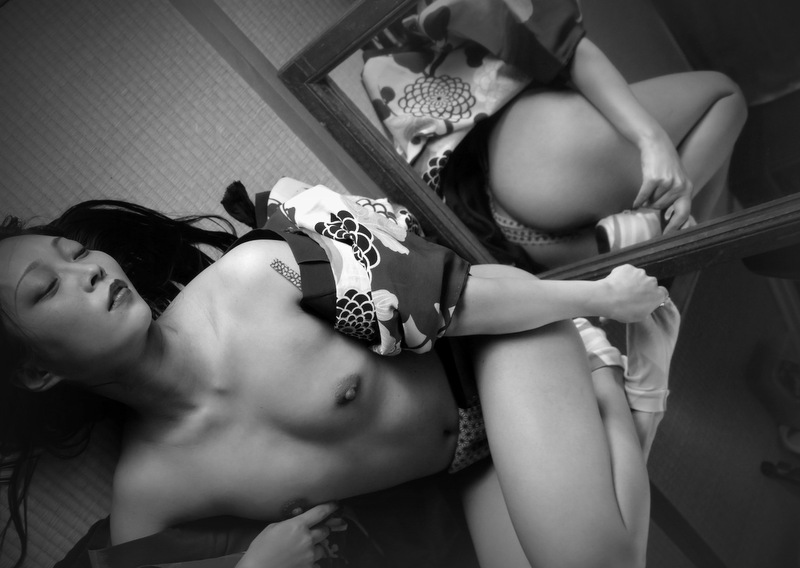
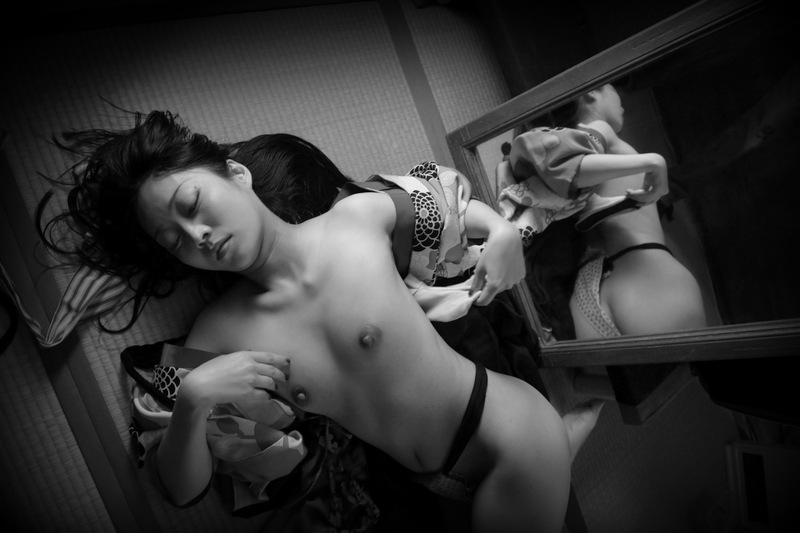
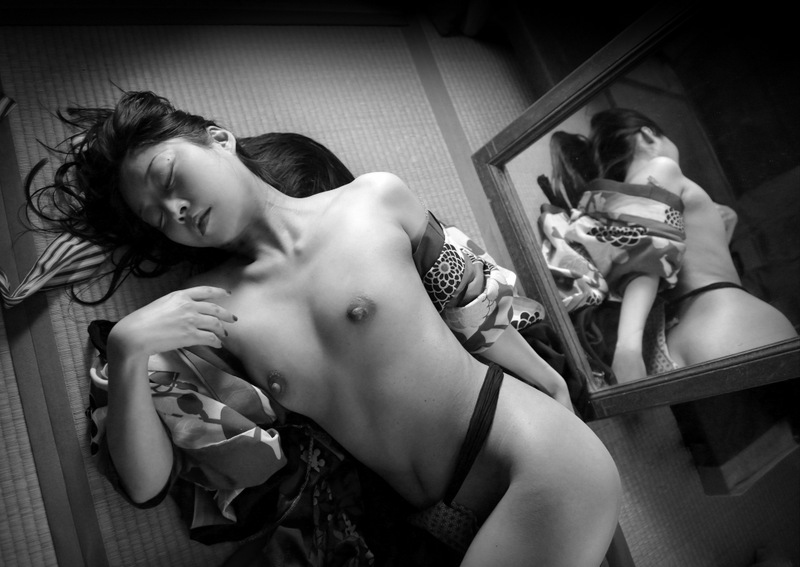
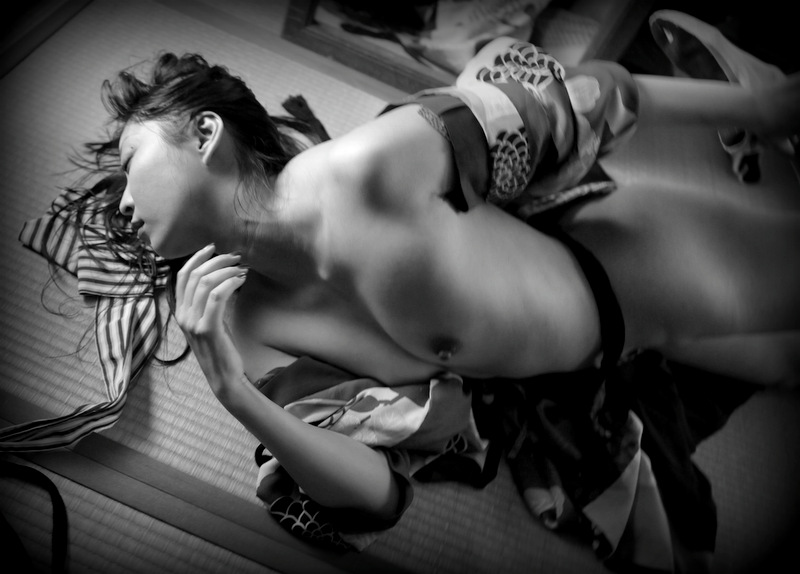
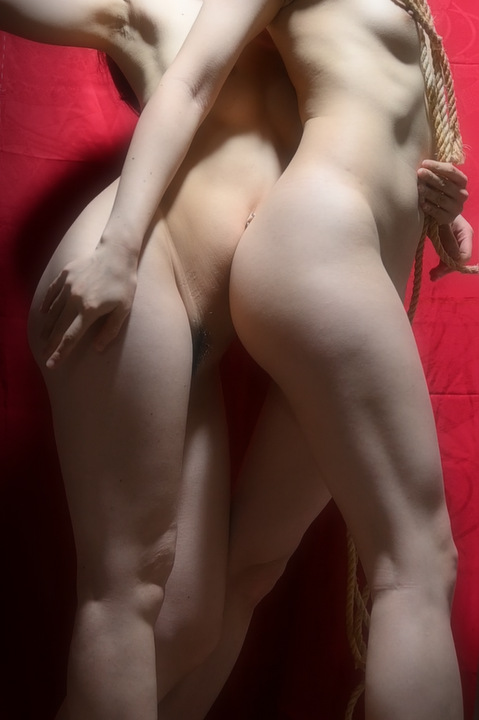
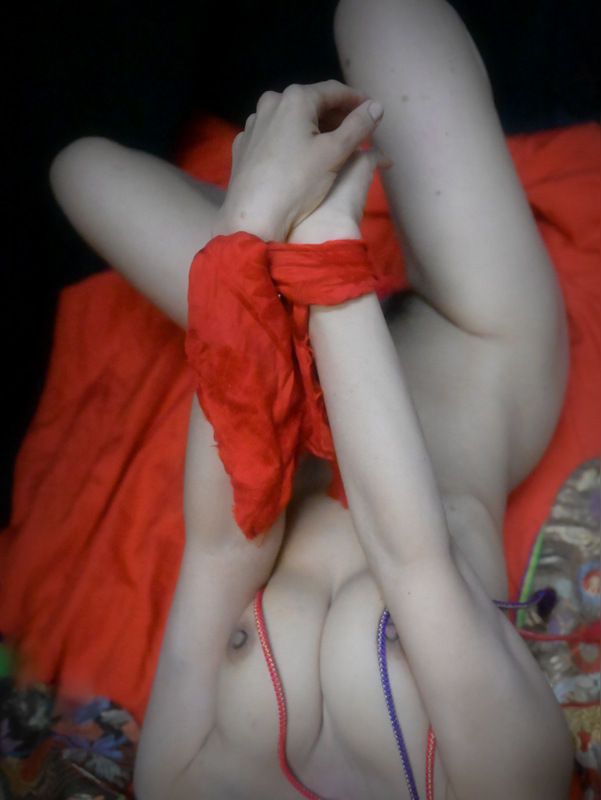
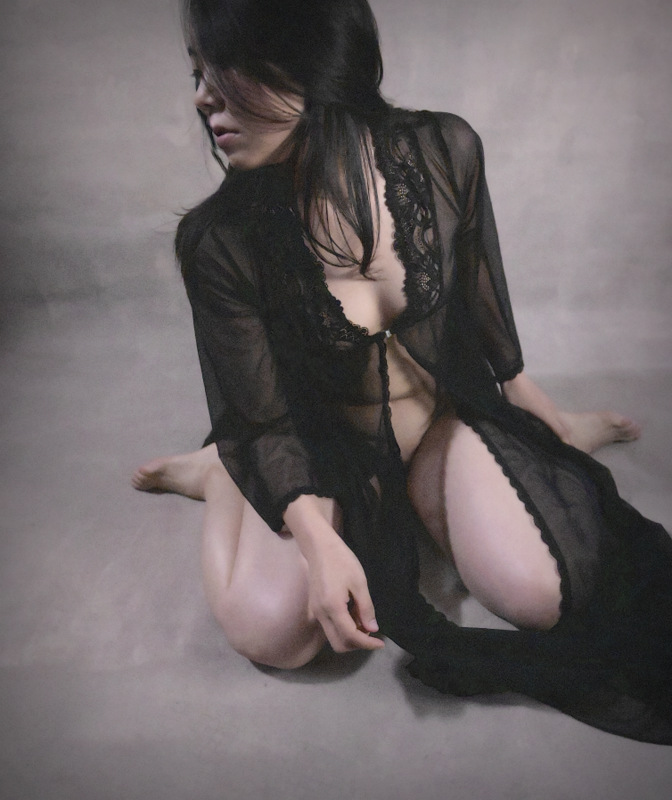
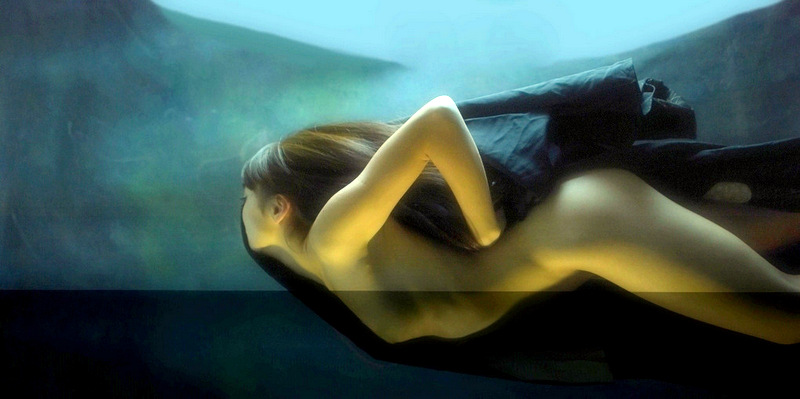
At the same time, the photographer should not become so conscious of the fact that the model is nude that he loses his artistic perspective. He should observe the light, the composition, the movement, the expression, and the relationship between the body and its surroundings. Nudity should not become the subject in itself. It can simply be one element of a larger visual language.
I believe that a photographer also needs restraint. Not every beautiful pose needs to be photographed. Not every part of the body needs to be emphasized. Sometimes what is left unseen can be more powerful than what is revealed.
Most importantly, the photographer should approach the model with curiosity rather than possession. He should not ask, “How can I make this person fit my image?” Instead, he should ask, “What is this person showing me that I have never seen before?”
When the photographer maintains respect, sensitivity, and curiosity, the studio becomes more than a place for taking photographs. It becomes a place where two people can create something neither of them could have created alone.
That, to me, is the true mindset of a photographer facing a nude model.
This website is a personal archive of photography, art, and reflections on the human form. It is not intended simply to display photographs, but to explore the deeper relationship between the artist, the subject, and the viewer.
I began painting at the age of twenty and later taught myself photography. Although mathematics has been my professional field, photography has become a lifelong artistic practice—a way of observing the world beyond numbers, formulas, and definitions.
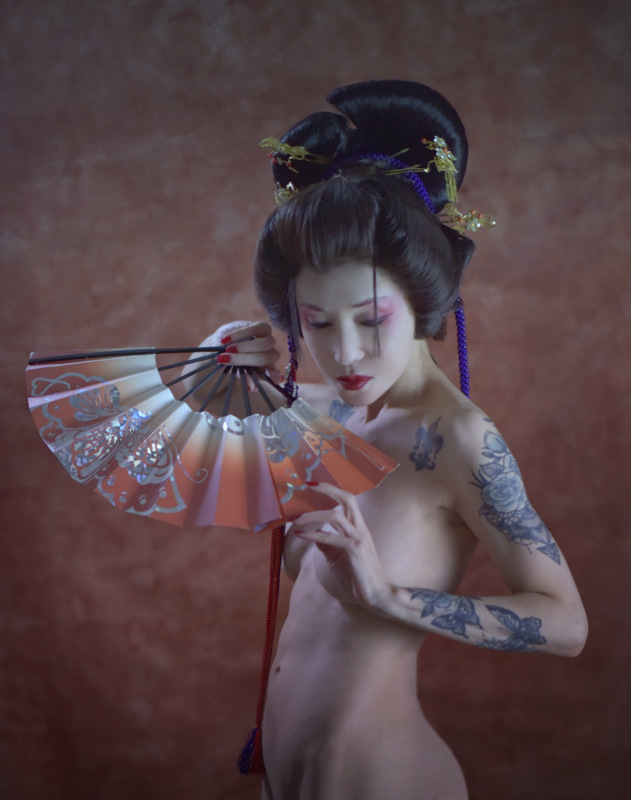
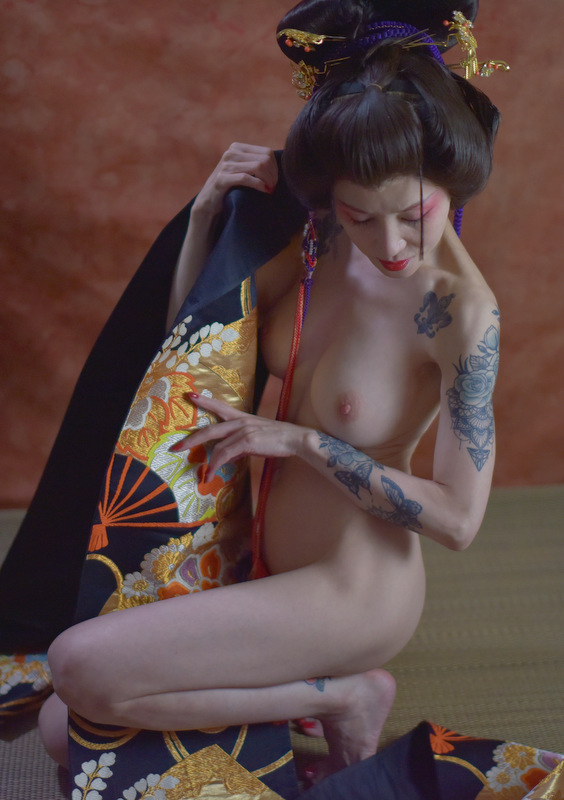
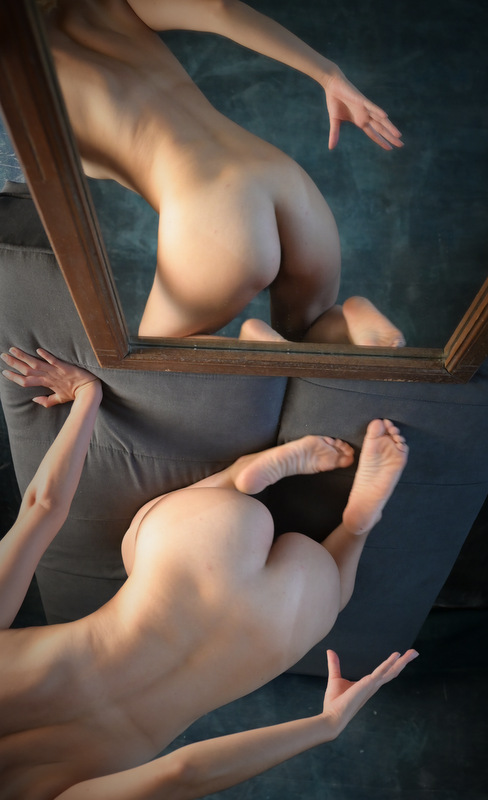
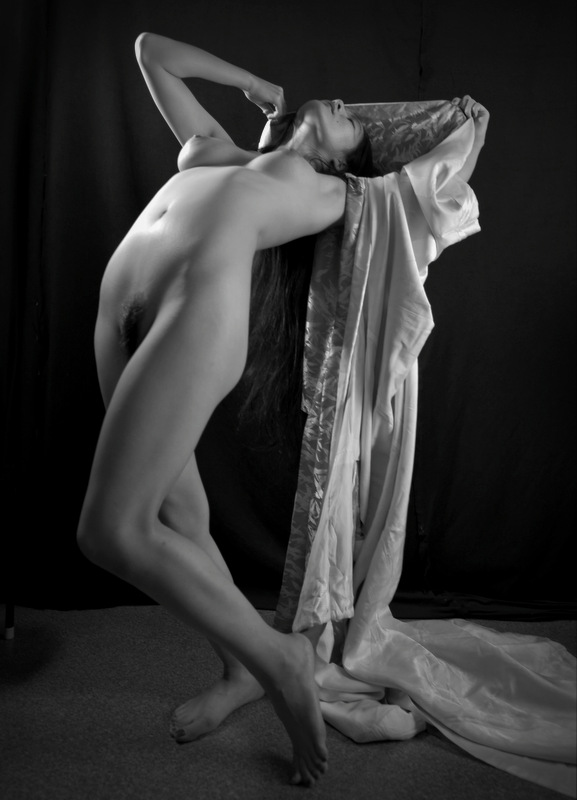
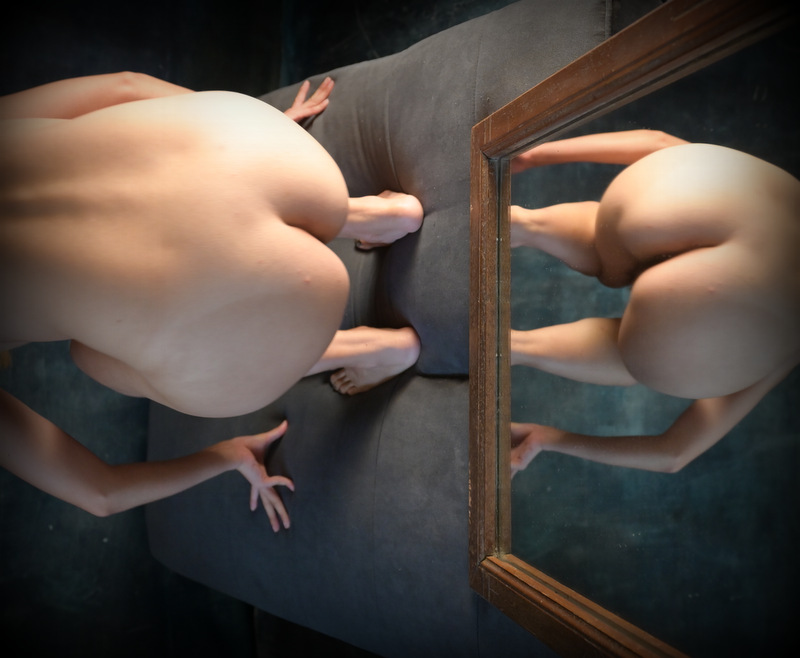
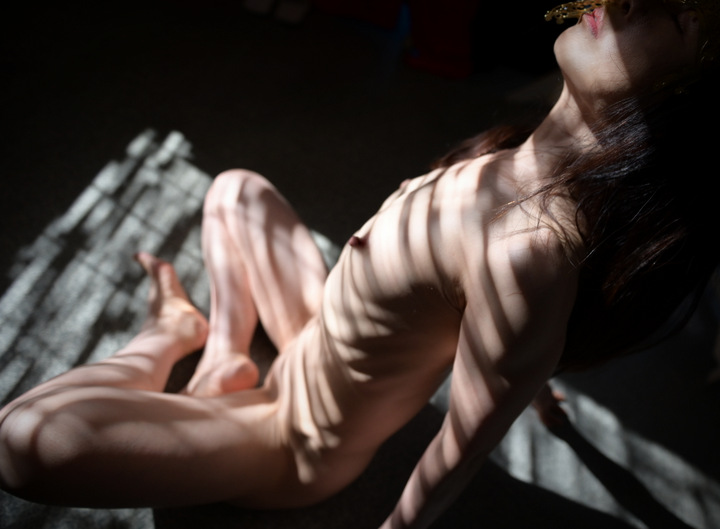
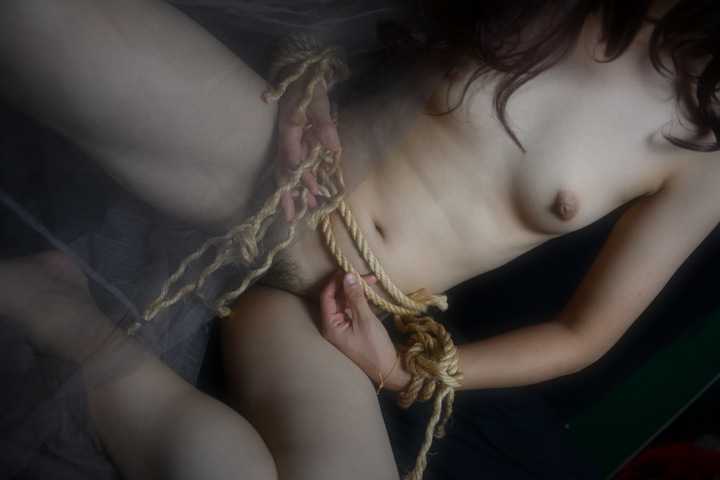
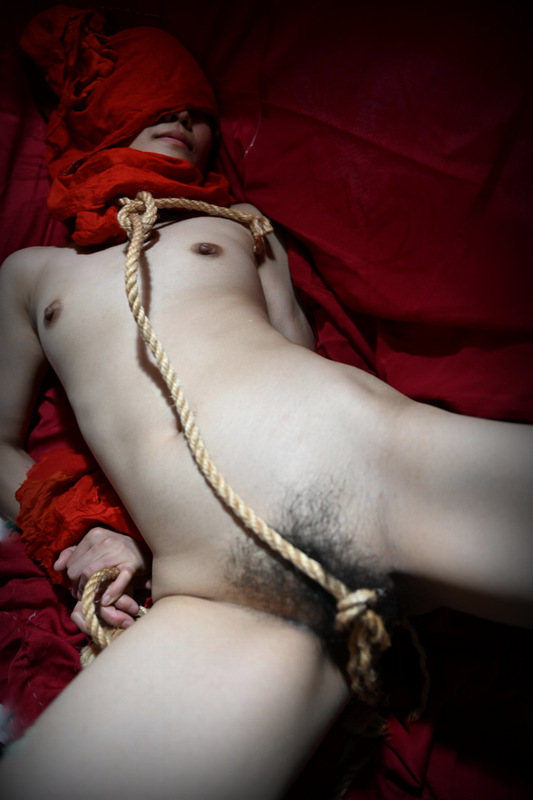
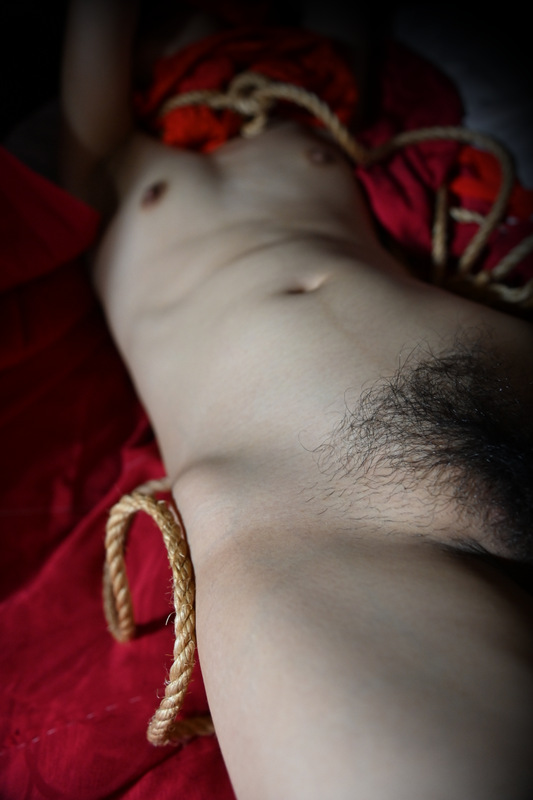
My photographic work is deeply influenced by Japanese aesthetics and by artists such as Botticelli, Rembrandt, and Picasso. I am particularly interested in the human body not merely as a physical object, but as a landscape carrying individuality, emotion, memory, and time.
A photograph can capture a body, but it cannot completely capture the person. Something always remains beyond the image. That invisible space—the silence between what is seen and what is felt—is where my interest in photography begins.
I do not seek to impose a predetermined style upon my subjects. Instead, I try to discover the character, spontaneity, and unique presence that already exist within each person. For me, the most meaningful photographs are often those in which something unexpected happens.
This blog also contains a growing archive of images created as references for artists. Painters, illustrators, photographers, designers, and other creators are welcome to study these images as sources of inspiration for their own work.
After many years of photographing the human form, I have come to believe that beauty is not simply a matter of appearance. It emerges through individuality, vulnerability, dignity, and the way a person exists in front of another human being.
Photography, for me, is therefore not the act of merely taking a picture.
It is an ongoing dialogue between seeing and being seen.
I hope this website becomes a place where artists can look, think, discover, and perhaps find something that leads them toward their own creation.


 高野真央1st写真集 まおのこと、


 志崎樺音1st写真集 unplugged





 異世界のんびり農家
 転生コロシアム 〜最弱スキルで最強の女たちを攻略して奴隷ハーレム作ります〜
 淫靡な洞窟のその奥で
 女友達は頼めば意外とヤらせてくれる
 無職転生 〜異世界行ったら本気だす〜
 悪役令嬢たちは揺るがない
 黄金の経験値
 世界最速のレベルアップ
 傭兵団の料理番
 リアデイルの大地にて
 幼女戦記
 辺境ぐらしの魔王、転生して最強の魔術師になる
 野人転生
 追放された名家の長男 〜馬鹿にされたハズレスキルで最強へと昇り詰める〜
 ゲーム世界で魔物に転生してしまった俺、前世で推しだったヒロインを拾ってしまう
 サイレント・ウィッチ 沈黙の魔女の隠しごと
 限界超えの天賦は、転生者にしか扱えない
 ELDEN RING 黄金樹への道
 成長チートでなんでもできるようになったが、無職だけは辞められないようです
 不老不死少女の苗床旅行記
 推しにささげるダンジョングルメ 〜最強探索者VTuberになる〜
 異世界サムライ
 いとこのこ
 転生してあらゆるモノに好かれながら異世界で好きな事をして生きて行く
 便利屋斎藤さん、異世界に行く
 異世界最高峰のギルドリーダー
 貞操逆転世界で頼めばヤれると噂の俺
 リビルドワールド
 俺の愛娘は悪役令嬢
 令和のダラさん
 八男って、それはないでしょう!
 異世界薬局
 おっさん異世界で最強になる
 魔術師クノンは見えている
 リアリスト魔王による聖域なき異世界改革
 村人ですが何か?
 RTA走者はゲーム世界から帰れない
 娘に断罪される悪役公爵に転生してました 悪役ムーブをやめたのになぜか娘が『氷の令嬢』化する件
 金色の文字使い ―勇者四人に巻き込まれたユニークチート―
 不徳のギルド
 あなたのお城の小人さん 〜御飯下さい、働きますっ〜(コミック)
 スーパーの裏でヤニ吸うふたり
 異世界転生で賢者になって冒険者生活 〜【魔法改良】で異世界最強〜
 その着せ替え人形は恋をする
 モンスターがあふれる世界になったので、好きに生きたいと思います
 勇者パーティーを追放されたビーストテイマー、最強種の猫耳少女と出会う
 黄泉のツガイ
 エリスの聖杯
 勇者パーティーを追放された俺だが、俺から巣立ってくれたようで嬉しい。……なので大聖女、お前に追って来られては困るのだが?(コミック)
 失格紋の最強賢者 〜世界最強の賢者が更に強くなるために転生しました〜
 無能なナナ
 二度転生した少年はSランク冒険者として平穏に過ごす 〜前世が賢者で英雄だったボクは来世では地味に生きる〜
 左遷された最強賢者、教師になって無敵のクラスを作り上げる
 リピート・ヴァイス〜悪役貴族は死にたくないので四天王になるのをやめました〜
 ボーイッシュ彼女が可愛すぎる
 最強は田舎農家のおっさんでした〜最高ランクのドラゴンを駆除した結果、実力が世界にバレました〜
 最強の魔導士。ひざに矢をうけてしまったので田舎の衛兵になる
 殲滅魔導の最強賢者 無才の賢者、魔導を極め最強へ至る
 ここは俺に任せて先に行けと言ってから10年がたったら伝説になっていた。
 薬屋のひとりごと
 賭ケグルイ
 戦隊レッド 異世界で冒険者になる
 鋼の錬金術師
 悪役令嬢の矜持〜婚約者を奪い取って義姉を追い出した私は、どうやら今から破滅するようです。〜(コミック)
 月刊少女野崎くん
 会社と私生活-オンとオフ-
 灰宮先輩は怖くてかわいい
 恋と呼ぶにはささやかですが
 転生賢者の異世界ライフ〜第二の職業を得て、世界最強になりました〜
 悪役令嬢は溺愛ルートに入りました!?(コミック)
 落第賢者の学院無双 〜二度目の転生、Sランクチート魔術師冒険録〜
 ドラゴンクエスト エデンの戦士たち
 異世界復讐〜俺をいじめた奴らを最強スキルで支配する〜
 大悪党少年
 ドラゴンクエスト列伝 ロトの紋章 完全版
 転生したら序盤で死ぬ中ボスだった-ヒロイン眷属化で生き残る-
 ドラゴンクエスト列伝 ロトの紋章〜紋章を継ぐ者達へ〜
 クマとウサギは友達ではいられない
 難攻不落の魔王城へようこそ〜デバフは不要と勇者パーティーを追い出された黒魔導士、魔王軍の最高幹部に迎えられる〜
 悪役貴族が開き直って破滅フラグを‘実力’で叩き折っていたら、いつの間にかヒロイン達から英雄視されるようになった件(コミック)
 僕の呪いの吸血姫
 SHIORI EXPERIENCE ジミなわたしとヘンなおじさん
 とある魔術の禁書目録






 逢田珠里依1st写真集「夏はジュリイ」
 十二国記
 鳥物語
 婚約者の王子に毒を盛られたので愛が冷めました
 本が読めない34歳がはじめてごんぎつねを読む ごんぎつね・変な絵・鼻・葉桜と魔笛
 皇帝の薬膳妃
 楽園
 ニューヨークで考え中
 ダクダデイラ
 館シリーズ
 反ミーム部門は存在しない
 ホーンテッド・キャンパス
 左遷先は女性都市!CT 〜怪盗の街でいちゃラブハーレム〜
 ちいかわ
 プロジェクト・ヘイル・メアリー
 退魔師転生 〜過酷なエロゲ世界でキツネ顔の関西弁な性悪男はどないすりゃええですか?〜
 ファイア・ドーム
 〈物語〉シリーズ モンスターシーズン全6冊合本版【イラストギャラリー付き】
 イン・ザ・メガチャーチ
 刀剣乱舞絢爛図録
 メガミマガジン
 月刊ホビージャパン
 BOMB(ボム)
 衣服の描き方マスターガイド 服を着たキャラクターを描くための実践アドバイス
 マンガ家と作るポーズ集
 今すぐ描きたい! 二次元ポージングBOOK
 色と光マスターガイド イラスト上達のための理論と実践
 TACO直伝! あらゆる悩みを解決する キャラ作画のコツ160
 ドルフィンウェーブ 公式イラスト集 OFFICIAL VISUAL COLLECTION
 イラストレーターのための大図鑑
 ガンプラ水性塗料の教科書
 週刊ポスト
 貸金業務取扱主任者合格教本
 My Girl
 24-2001A 通勤1:歩く人A
 10-1793 台湾鉄路EMU3000(緑) 6両増結セット
 10-1792 台湾鉄路EMU3000(緑) 6両基本セット
 2611 着色済み 商業ビル 3F(4棟入り)
 これでもう迷わない!ミャンマービジネス・出張・駐在ガイド
 soto 秋山2026
 週刊GoodsPress Digital
 鉄道ダイヤ情報
 2027年度版 みんなが欲しかった! 税理士 財務諸表論の教科書&問題集4 構造論点・その他編
 鉄道ファン
 NHK 俳句
 NHK 短歌
 「かわいい」がすぐ描ける! ちびキャラ素体ポーズ集 キュートな2頭身&動ける3頭身
 MC☆あくしず
 国鉄時代
 RM MODELS
 小栗上野介 「逆賊」とされた開明派幕臣
 だから、ひとりソウル
 名画の秘密 読むだけで天才たちの思考が見抜けるようになってしまう本
 自分らしく生きるための 心を整える習慣 ざわつきをしずめるやさしい仏教の教え
 20代の100シリーズ
 手帳愛が止まらない! LOG LIFE
 他人(ヒト)に言えない推しゴト事情 【電子限定特典付き】
 柳沢きみお大全集
 ミュージカル『刀剣乱舞』 〜月夜一縷〜 パンフレット【電子版】
 ナニワ金融道
 らーめん再遊記
 ケンガンアシュラ
 GS美神
 毎日こつこつ俺タワー 建姫大図鑑
 週プレ
 週刊FLASH
 デッドプール
 本当の自由を手に入れるお金の大学
 死亡遊戯で飯を食う。
 FRIDAY
 勝つための7つの理論 ふ〜ど流10年使える格闘ゲームの攻略
 シノビマスター 閃乱カグラ NEW LINK ILLUSTRATIONS BOOK
 天使な小生意気
 今日から俺は!!
 コミックライドアイビー
 noicomi
 【特別無料版】ラブコフレ ver.14
 シュルスの魔女【単話版】(単話)
 【特別無料版】ラブコフレ ver.13
 【無料】GUSH推しコミv2025年夏号
 【無料】moment vol.29/2025 spring
 【無料お試し増量版】Pinkcherie 2025 vol.11
 B.Pilz【特別無料版】
 【無料】moment vol.28/2024 autumn
 【特別無料版】ラブコフレ ver.12
 【無料お試し増量版】Pinkcherie 2024 vol.10
 【無料】moment vol.27/2024 spring
 【無料お試し増量版】Pinkcherie 2024 vol.9
 月刊アクション
 【特別無料版】ラブコフレ ver.11
 【無料】moment vol.26/2023 autumn
 【無料お試し増量版】Pinkcherie 2023 vol.8
 【無料】moment vol.25/2023 spring
 【特別無料版】ラブコフレ ver.10
 gateau selection【無料お試し読み版】
 【無料お試し増量版】Pinkcherie 2023 vol.7
 【特別無料版】ラブコフレ ver.9
 【無料】moment vol.24/2022 autumn
 別冊フレンド0号
 【無料・再編集版】ビーボーイ旬コミ Summer 2018
 【無料】moment vol.23/2022 spring
 【無料】moment vol.22/2021 autumn
 【無料】厳選バトル漫画試し読みパック 《「終末のワルキューレ」含む全4作品》
 ☆ゼロサムオンライン10周年記念人気10タイトル試し読み冊子☆「乙女ゲームの破滅フラグしかない悪役令嬢に転生してしまった…」他9本
 ハツキス
 【ドラマ化記念!超試し読み】ドラゴン桜2
 ドラゴン桜フルカラー版【ドラマ化記念!超試し読み】
 【無料】moment vol.21/2021 spring
 【無料】ビーボーイ旬コミオメガバース 8th
 ヤングマガジン サード
 カワイイ私の作り方(単話)
 マンガ on ウェブ 無料お試し版
 BE・LOVE40周年記念 これぞ王道!名作勢ぞろいフェア 無料試し読みパック
 【無料】moment vol.20/2020 autumn
 【無料】ビーボーイ旬コミオメガバース 7th
 【無料】moment vol.19/2020 spring
 ちん×トレ!【無料】
 【無料】ビーボーイ旬コミオメガバース 6th
 『はたらく細胞』シリーズ まるっと試し読みパック
 攻×攻グランプリ【お試し版】
 『転生したらスライムだった件』シリーズまるっと試し読みパック
 失恋未遂 「小宮&南条編」無料お試し版
 【無料】moment vol.18/2019 autumn
 モネさんのマジメすぎるつき合い方 セミカラー(単話)
 Chara Comics Collection VOL.7
 Chara Comics Collection VOL.6
 【無料】ビーボーイ旬コミオメガバース 5th
 MAGKAN連載作品 合本版【無料試し読み】
 【無料】「Ficus」特別編集版 vol.6
 【無料】「Ficus」特別編集版 vol.3
 息できないのは君のせい
 着飾るヒナはまだ恋を知らない
 つよがりオメガは僕らの番
 恋とか夢とかてんてんてん
 おデブ悪女に転生したら、なぜかラスボス王子様に執着されています
 好きって言ったのお前だろうが!
 カッパのカーティと祟りどもの愛
 福引で当たったので異世界に移住し、恋をしました
 嫌いでいさせて
 ノラのいのち
 ボールアンドチェイン
 ゴミ溜めのガーネット
 もう一度推したら破滅するっ!
 水の定規 夕暮宇宙船短編集
 カッパのカーティと祟りどもの愛【単話】(単話)
 甘くて辛くて酸っぱい【単話】(単話)
 税務職員の美酒(うまざけ)
 若草同盟【単話】(単話)
 恋とか夢とかてんてんてん【単話】(単話)
 若草同盟
 絶対初恋プロポーズ
 嫌って言えない木村先輩
 恋々たる証左
 ヒトリジメクライシス
 口下手声優の恋は伝わらない
 花神と蛮王
 龍河くんは受け止めきれない
 甘くて辛くて酸っぱい
 タイプB〜48時間後、致死率100%〜
 世話焼き令嬢は壁になりたい
 ニセモノ聖女は運命をくつがえす
 タイプB〜48時間後、致死率100%〜【単話】(単話)
 棕櫚の木の下で【単話】(単話)
 あたらしいともだち かわじろう短編集
 棕櫚の木の下で
 そうです、私が美容バカです。
 宙色ジレンマ
 勇者の俺様が魔導士なんかに!
 お前にいっちゃん惚れとんねん!
 転生したら平民でした。〜生活水準に耐えられないので貴族を目指します〜(コミック)
 静かなるドン
 コミュ障、異世界へ行く



 落ちこぼれ[☆1]魔法使いは、今日も無意識にチートを使う
 魔法少女にあこがれて

 小林さんちのメイドラゴン
 無自覚聖女は今日も無意識に力を垂れ流す 〜公爵家の落ちこぼれ令嬢、嫁ぎ先で幸せを掴み取る〜

 裏切られたので、王妃付き侍女にジョブチェンジ!

 鬼の花嫁


 うるわしの宵の月
 貸した魔力は【リボ払い】で強制徴収〜用済みとパーティー追放された俺は、可愛いサポート妖精と一緒に取り立てた魔力を運用して最強を目指す。〜











 勘違いの工房主 英雄パーティの元雑用係が、実は戦闘以外がSSSランクだったというよくある話












 西村式デッサン人形 オリーブさん GRAY